
How a case works
A police abuse case has a shape. The first week is about preserving evidence and protecting the shortest deadline. The next months are about the criminal case, the notice of claim and the 50-h examination. Then the complaint, discovery, the officers' depositions, the motion for summary judgment on qualified immunity, and a settlement or a trial. Most cases take more than a year. This section goes through each stage, what happens in it, and what you have to do.
Every stage below is described as it actually runs in the federal courts in Brooklyn and Manhattan and in the state courts of New York, New Jersey and Florida, with the rule behind each step. Nothing here is a prediction about your case. The what a case is worth page explains why we refuse to make one.
Six stages, in order
The first week
Medical care and records. Names of witnesses. Your own written account, dated. A request to preserve body-camera footage. No statement to anyone about the arrest if a charge is pending. What to do after →
The notice of claim
Within 90 days in New York and New Jersey, to the right office, for every claim and every agency. Then the 50-h examination, if the City demands one. The notice of claim →
The criminal case
Handled first, with the civil case in view. A plea or a conviction can close a claim; a dismissal starts a clock. Nothing is said or signed without both lawyers. The two cases →
The complaint
Filed in federal court, usually, against the officers and the municipality, with the federal and state claims together. The defendants answer or move to dismiss. Filing →
Discovery
Footage, records, the officers' disciplinary histories, and depositions of you, the officers and the witnesses. Then the motion for summary judgment, where qualified immunity is decided. Discovery →
Settlement or trial
Most cases settle after discovery, often after the immunity motion. A trial is a jury deciding what happened and what it is worth. Settlement and trial →
The pages
What to do in the first week
A checklist: medical care, evidence, witnesses, the footage request, the CCRB question, what not to say.
Read →Evidence and body cameras
Body-worn camera footage by FOIL, 911 and radio records, surveillance video, medical records, the officers' records after the 50-a repeal.
Read →Filing in federal court
Federal or state court, who is named, what the complaint has to plead against the City, and what happens after it is filed.
Read →Discovery and depositions
What each side gets, the officers under oath, expert witnesses, and the summary judgment motion on qualified immunity.
Read →Settlement and trial
How settlement with the City works, who decides, what a jury decides, and interest and fees after a verdict.
Read →What a case is worth
The factors that move the number, the ones that do not, and why this site does not estimate.
Read →By the numbers
What New York City paid in police misconduct cases, 2019 to 2025, and what the CCRB received and substantiated. Public figures, cited.
Read →Immigration status
A person without status can sue. What an arrest does to an immigration case, and how the two are handled together.
Read →What we do
Investigation, the notice of claim, the lawsuit, and coordination with defense counsel where a charge is open.
Read →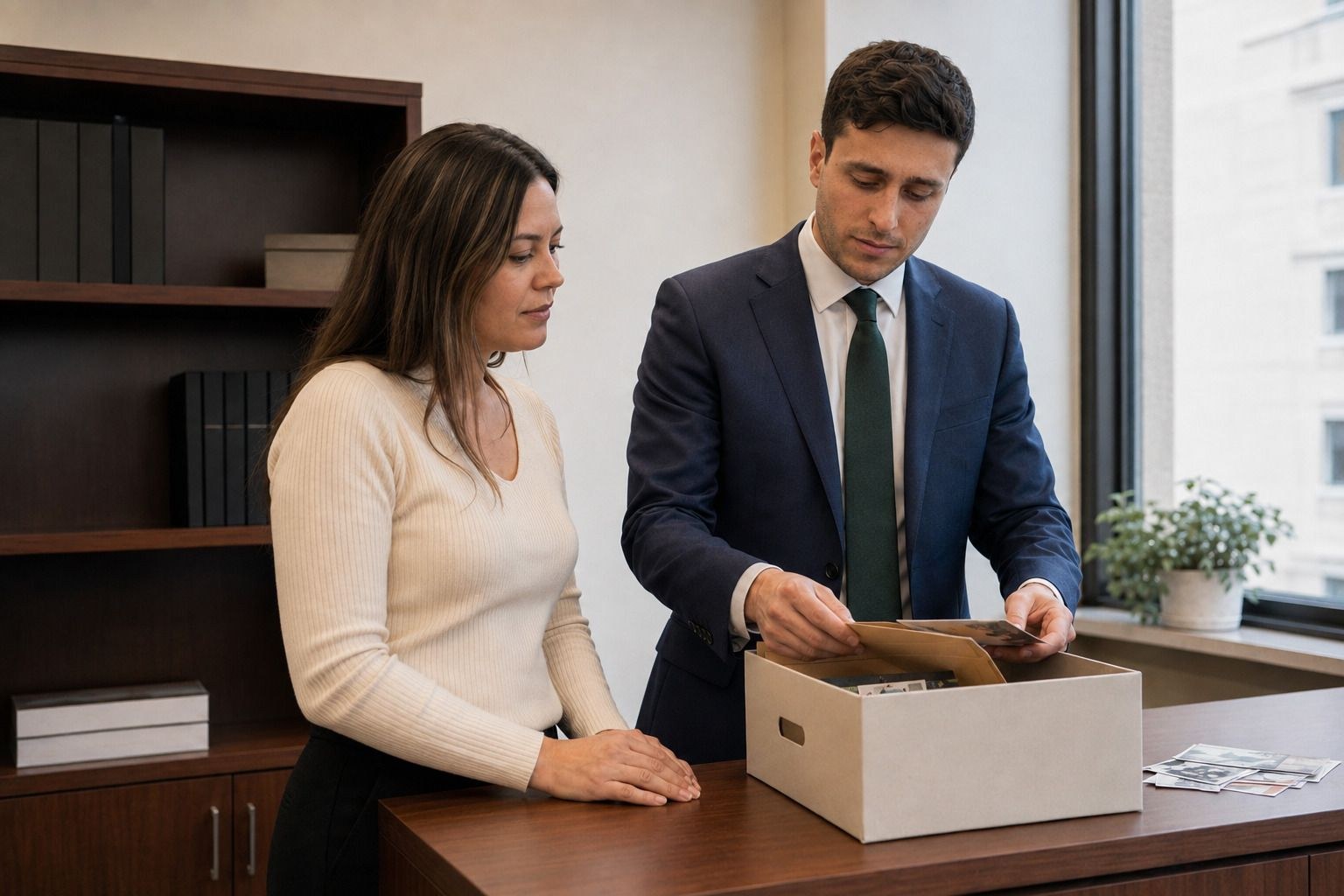
The case is the record
Footage, records, testimony under oath. A police abuse case is won on what can be proved about a few minutes, and most of the proof exists only if someone asks for it in the first weeks.
What to do in the first weekCommon questions
How long does a case take?
Longer than a year in most cases, and longer still when a criminal charge from the same incident has to resolve first. The notice of claim and the 50-h examination come in the first months; the complaint is usually filed after the criminal case ends; discovery, depositions and the qualified immunity motion take a year or more; settlement discussions run alongside. We do not publish an average because the range is too wide to be useful.
Do I have to testify?
Yes, at least twice: at the 50-h examination if the City demands one, and at a deposition in the lawsuit. If the case goes to trial, at trial. Each is sworn testimony about the incident, and each is prepared for. If a criminal charge is pending, none of it happens until your defense lawyer and we have decided how.
What does it cost?
We take these cases on a contingency fee: our legal fee is a percentage of what is recovered, confirmed in a written retainer before we begin, and if nothing is recovered there is no legal fee. Court filing fees and case expenses are separate, and the retainer says who advances them. Where a statute allows the court to award attorney's fees against the defendants, the retainer explains how that award is treated.
Will the officer be disciplined or charged?
That is a different process. A civil case is about damages. Discipline is the department's decision, informed in New York City by the CCRB, and criminal charges are the prosecutor's. A civil verdict does not require either, and neither is required for a civil verdict. The CCRB page explains how the complaint process interacts with a lawsuit.
Tell us what happened.
One conversation with an attorney, in your language. We tell you which claims the facts support, which deadline runs first for the agency involved, what evidence to preserve this week, and whether a pending criminal case changes the timing. If it is not a case we can take, we say so and tell you where to go.
(718) 484-7510If a criminal charge is still open, talk to your defense lawyer before you describe the arrest to anyone, including us. English, Russian and Spanish in-house; an interpreter for any other language. Contingency fee, confirmed in writing before we begin.